Development
Feb 9, 2026
The Geosteering Handoff: Why Communication Between Shifts Can Make or Break a Lateral
A five-minute handoff between geologists can determine whether your lateral stays on target or drills hundreds of feet of no
.webp)
A five-minute handoff between geologists can determine whether your lateral stays on target or drills hundreds of feet of no
Geosteering gets all the attention for the technical achievements: landing the curve, staying in zone, managing structural complexity. But there's a moment that doesn't get talked about enough and it's the handoff between shifts. When one geologist clocks out and another picks up the well, what gets communicated matters just as much as the steering calls made during the shift itself.
This tiny but mighty piece of the puzzle can make or break profitability and success on the wellsite. Today, we're going over how lapses in communication happen and how we can fix them.
Handoff failures typically aren't because data is missing. It's in the logs, the surveys, and the software. The problem is when the context, the risk, and the reasoning don't make it from one geologist to the next.
Take a situation where surveys are tracking well and gamma is behaving as expected. The outgoing geologist documents current position and steering actions, but doesn't flag that the last two surveys showed increasing separation from the base of the target, or that gamma was trending toward thinner intervals. They write "on bottom, holding inclination" and clock out.
When the next shift arrives, they read mild notes that read stable, and keep going with the plan. If nothing's flagged as a problem, there's no reason to start questioning what's already in motion. The data was there if someone knew to look for it, but in the middle of a shift change with the rig waiting, you go off what's been marked as important. If the handoff doesn't point out the risk, nobody's managing it.
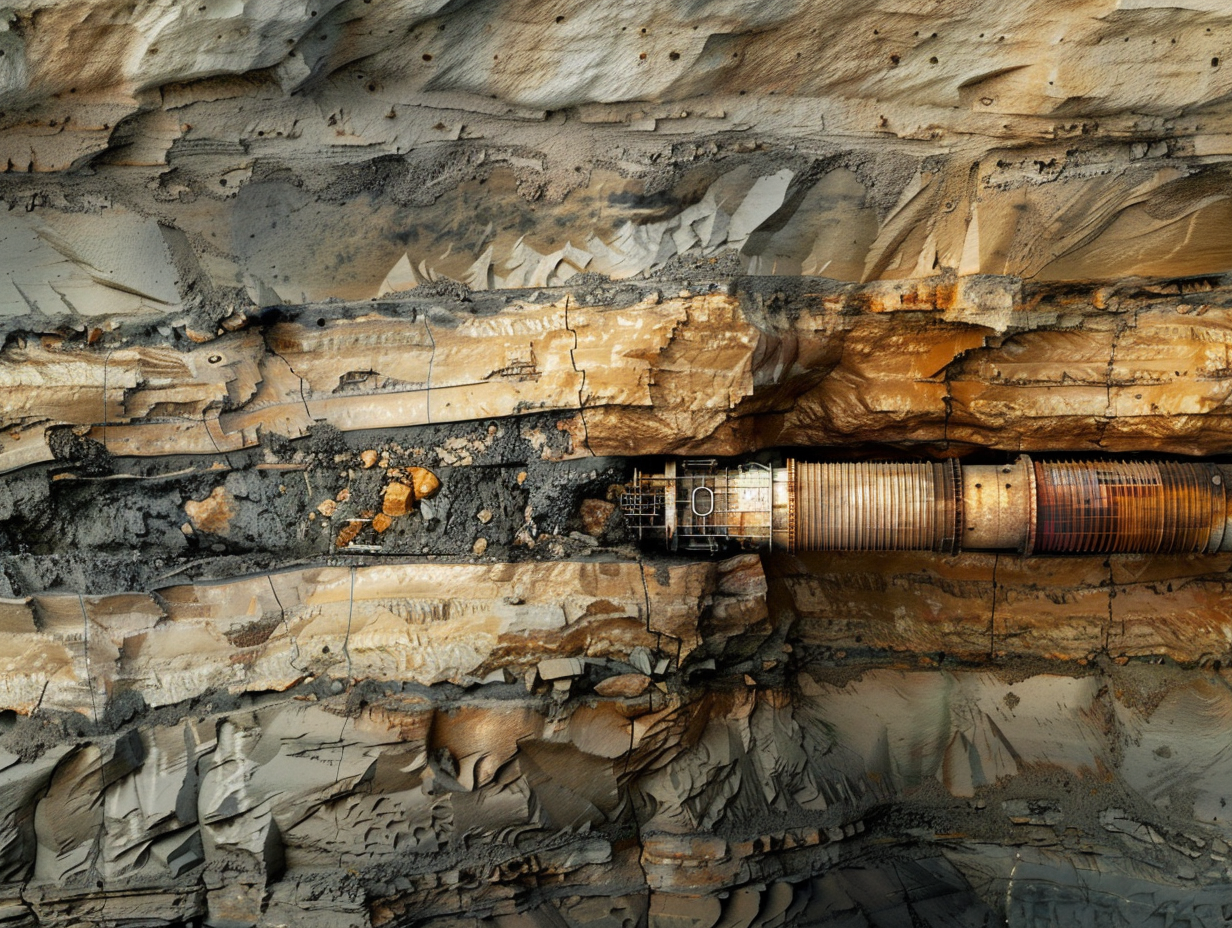
Then two stands later, the wellbore exits the target and drills a vertical section in non-productive rock. By the time gamma and cuttings make the problem obvious, you need a correction slide and extra footage. More slide time, slower ROP, lost reservoir contact, and an unhappy client. One shift like that can wipe out the savings from the whole well.
A real handoff isn't just dumping data on someone, it's giving them the situation. The incoming geologist should know where things stand and what could go wrong in a few minutes, not burn an hour trying to piece the whole project back together.
Here's what that covers:
The point is passing along intent and risk, not just coordinates. The next person should be able to pick up the well and keep going, not start the analysis over. They need to know where the wellbore is, where it's headed, and what might go sideways before they get there.
When handoffs work like this, the well doesn't restart every 12 hours. The geologist coming on shift isn't guessing or leaning on assumptions. They're working off the same picture of what's happening downhole and what needs to happen next.
You can teach someone the technical side. But teaching communication skills, when handing off a well properly, is a different story. The geologists who do this well don't just keep their understanding of the geology to themselves. They get it out of their head so the next person doesn't have to rebuild everything from scratch.
You see this when you're hiring. A geologist who's sharp on the technical side but can't explain what they're doing becomes a problem real fast. Their interpretation doesn't leave their brain, and the next shift can't track the logic, so they start second-guessing, steering gets inconsistent, and clients lose confidence. It doesn't matter how good the geology is if the handoff creates chaos.
The teams that work, document what they're thinking, explain why they made the calls they did, and keep things consistent so the well doesn't feel like two different people are steering it. The lateral should move like one person's been running it the whole time, even though the controls are changing hands every shift.
The bit doesn't stop. The formation doesn't wait. The only question is whether the geologist taking over knows what's going on downhole or has to figure it out on the fly while the rig's already moving.
Handoffs aren't paperwork. They're part of the operation. Do them right and the lateral stays on track. Do them wrong and it doesn't matter what else you got right. A lot of times, the gap between a clean run and an expensive fix comes down to what got said in the five minutes between one shift ending and another one starting.
Discover how our expertise can elevate your operations. Contact us today to explore tailored geological solutions.


.png)